Navigating Cancer: Empowering Patients Through Advocacy, Treatment Options, and Wellness Strategies
When it comes to navigating the intricate web of cancer care, one of the most powerful tools available to patients is advocacy. As we delve into the world of oncology, it's essential to recognize that patient advocacy isn’t just a buzzword; it’s a critical component of effective cancer treatment. But what exactly is patient advocacy? Simply put, it’s about empowering patients to take control of their health journey, ensuring they have access to the best treatment options and support systems available. It poses an intriguing question: Are you ready to become your own best advocate in the face of malignancy?
Imagine sitting in a sterile oncology clinic, the air thick with uncertainty and the weight of a carcinoma diagnosis pressing down on you. The barrage of medical terminology might feel daunting—tumors, neoplasms, and treatment regimens swirl around like leaves in a whirlwind. This is where patient advocacy steps in, transforming an overwhelming experience into a navigable road. Knowing how to access reliable health information becomes key, and this is where support groups can enhance your understanding of disease management. With collective knowledge and shared experiences, the journey can feel less isolating.
Empowerment through knowledge is a vital aspect of patient advocacy. By educating yourself about your diagnosis, whether it be malignant or benign, you can actively participate in discussions about treatment options. Ask your healthcare provider about clinical trials or clinical research opportunities that might suit your specific condition. In doing so, not only have you increased your health awareness but you've also positioned yourself to be an essential component of your wellness programs. Could the next breakthrough in integrative medicine be the answer to your health challenges?
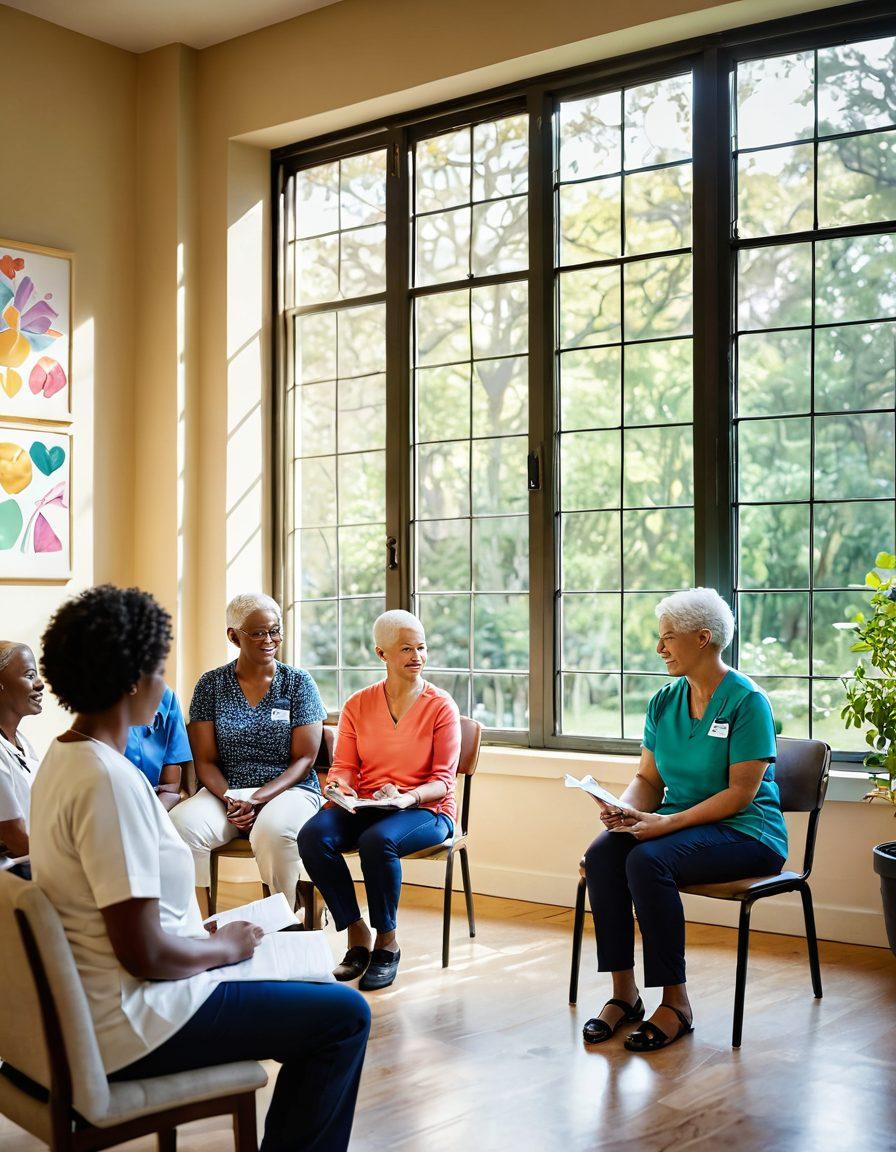
Support groups play a pivotal role in patient advocacy. Together, individuals bonded by a common foe—the fight against cancer—support each other through the labyrinth of treatment options and recovery. Sharing strategies for symptom management, discussing nutrition for cancer, and celebrating survivorship can enhance one's experience and improve overall well-being. Have you considered reaching out to a local support group or online community? The strength in numbers can uplift your spirit and provide critical insights into the realities of living with malignancy.
As advocates for our own health, we learn the importance of taking holistic approaches to cancer care. From preventative care measures to lifestyle changes fostering wellness, the integration of all aspects of health can create a routine that mitigates the effects of treatment and enhances recovery. By nurturing our bodies and minds, we prepare not just for what lies ahead in our cancer treatment journey but also for a life that goes beyond the diagnosis. So, what’s your holistic health action plan? Write it down, engage with community resources, and be the vibrant advocate that every warrior in the field of oncology deserves to be.
Exploring Innovative Treatment Options: From Clinical Trials to Holistic Health
Cancer is a journey that no one wants to embark upon, but navigating through it can be made easier with the right tools and knowledge. As an oncology patient, you may feel overwhelmed by the myriad of treatment options, clinical trials, and support systems available. But fear not! By exploring innovative treatment options, from clinical trials to holistic health approaches, you can empower yourself in the fight against carcinoma and malignancy. Have you ever wondered how advancements in clinical research could offer new hope in your cancer treatment journey? Let’s dive deeper into how these treatment modalities are changing lives today.
Clinical trials: the very phrase often brings a mix of uncertainty and hope, doesn’t it? In the world of oncology, these studies play a crucial role in advancing treatment options for patients dealing with tumor and neoplasm challenges. For many, enrolling in clinical trials can provide access to cutting-edge therapies not yet available in standard healthcare. It’s essential to weigh the benefits and risks, but don't forget—the answer to cancer's riddles often lies within these studies. Consider this: Could participating in a clinical trial lead to a possibility where you not only manage your illness but potentially become part of a landmark discovery in cancer treatment?
In addition to conventional treatments and trials, more individuals are turning to holistic health approaches as part of their cancer care. Integrative medicine, which blends traditional medicine with complementary therapies, offers a comprehensive way to tackle cancer's complex symptoms. This might include nutrition for cancer recovery, physical activity, and wellness programs focused on maintaining mental and emotional well-being. How engaging in such holistic strategies could transform your journey towards survivorship? It’s time to rethink what we know about cancer treatment—making room for a balance that considers the body, mind, and spirit.
Disease management extends beyond just eradicating the malignant cells; it’s about improving quality of life. Patient advocacy plays an essential role here, ensuring that every voice is heard in the healthcare system. Support groups are invaluable as they allow individuals to share experiences, exchange health information, and provide much-needed encouragement. If you were to join a support group, what connections might you create? Who could you inspire with your journey, and how could you learn from theirs? The bonds formed in these spaces can often lead to healthier coping mechanisms and information sharing, positively impacting your treatment experience.
As we explore the landscape of cancer treatment, it’s crucial to recognize the importance of health awareness and preventative care. Staying informed empowers you to make choices that can significantly impact your care path. The world of clinical research is advancing at lightning speed, with every new discovery paving the way for more effective treatment options. Equip yourself with knowledge, ask questions, and never hesitate to advocate for your needs. Remember, navigating cancer is not just about surviving; it’s about thriving, living life fully, and becoming a source of inspiration for others battling similar challenges.
Building Resilience: Effective Wellness Strategies for Cancer Survivors
In the journey of conquering cancer, survival is just the beginning of a new chapter. Building resilience after a carcinoma diagnosis is essential for fostering not only physical recovery but also mental and emotional well-being. As cancer survivors, it is imperative to grasp effective wellness strategies that encourage a healthier lifestyle and better management of symptoms. So, how do we truly build this resilience? Can understanding the nuances of wellness programs make a significant difference in our journey post-diagnosis?
To understand how to build resilience, we must first acknowledge the challenges that come with cancer treatment. From navigating a complex healthcare system to managing the physical and emotional toll of malignancy treatments, survivors often feel overwhelmed. This is where patient advocacy plays a crucial role, helping individuals access the right treatment options and support networks, including support groups and healthcare providers dedicated to cancer care. "Survivorship is not just about living through cancer; it's about thriving in the wake of its challenges," says Dr. Emilia Hart, an oncologist specializing in post-treatment care. This perspective centers the importance of proactive health management and wellness strategies tailored specifically to cancer survivors.
One potent strategy for resilience is integrative medicine, which blends traditional oncology with complementary therapies. Whether it’s through nutritional interventions or mindfulness practices, these holistic health approaches focus on treating the whole person, not just the tumor. Nutrition for cancer plays a vital role in recovery, with evidence showing that a balanced diet rich in antioxidants and anti-inflammatory foods can significantly improve outcomes. By educating themselves through reliable health information, survivors can make informed dietary choices that support their recovery process and reduce the risk of cancer recurrence.
Symptom management must also be a primary focus for survivors navigating the aftermath of their experience with cancer. Many individuals find themselves dealing with lingering effects from treatment, be it fatigue, pain, or emotional distress related to their diagnosis. Engaging in wellness programs that emphasize physical fitness, mindfulness, and emotional support can pave the way to healing. What if you had access to resources that not only addressed your physical needs but also took care of your mental well-being? Local community centers often host cancer awareness workshops and survivorship classes where individuals can connect, share experiences, and build camaraderie. The power of shared experiences cannot be understated—it helps foster a sense of belonging and hope among survivors.
Finally, embracing clinical research as a means to explore new treatment options and participate in clinical trials can also enhance resilience. Engaging with clinical research not only opens doors to potentially groundbreaking therapies but empowers patients with active participation in their health decisions. Knowledge is indeed power, and by keeping abreast of the latest advancements in oncology, carcinoma management becomes a collaborative effort between patients and healthcare providers. So, as you step into your survivorship journey, remember, building resilience is an ongoing process, an art shaped by your choices and the support of your community. Let's embrace it together!